A home bar does not need a room. In most flats it is a single unit in the dining or living area: bottles below, glasses above, a small counter to mix or pour, and doors that close when the bar is not in use. The design is about storing awkward shapes well and keeping spills off the woodwork.
Where Should a Bar Unit Go?
Near where you entertain: the dining area or a corner of the living room. Beside the crockery unit is natural, because glasses and serving pieces live there. Keep it away from the kitchen hob and from direct sun, which affects some drinks.
If children are in the house, a bar with lockable doors, or one placed high, is worth considering.
What Storage Does a Bar Unit Need?
| Item | Best storage |
|---|---|
| Tall bottles | Tall section with adjustable shelves |
| Wine bottles | Horizontal rack, away from heat and light |
| Glasses | Glass-fronted shelves or stemware rails |
| Accessories | A shallow drawer for openers, jiggers, coasters |
| Mixers and ice bucket | Lower cabinet |
Measure your tallest bottles before the shelves are spaced. Standard shelf spacing often leaves tall bottles with nowhere to stand.
Does a Bar Unit Need a Counter?
A small counter at waist height makes pouring and mixing easy and keeps spills off the floor. A stone, quartz or laminate top resists alcohol and citrus spills better than veneer or marble, which can stain and etch.
How Should a Bar Unit Be Lit?
Backlit shelves or a strip under the upper cabinet make glassware glow in the evening and light the counter for pouring. Warm white suits a bar. Plan the power point inside the unit before the electrical work.
Should a Bar Unit Close?
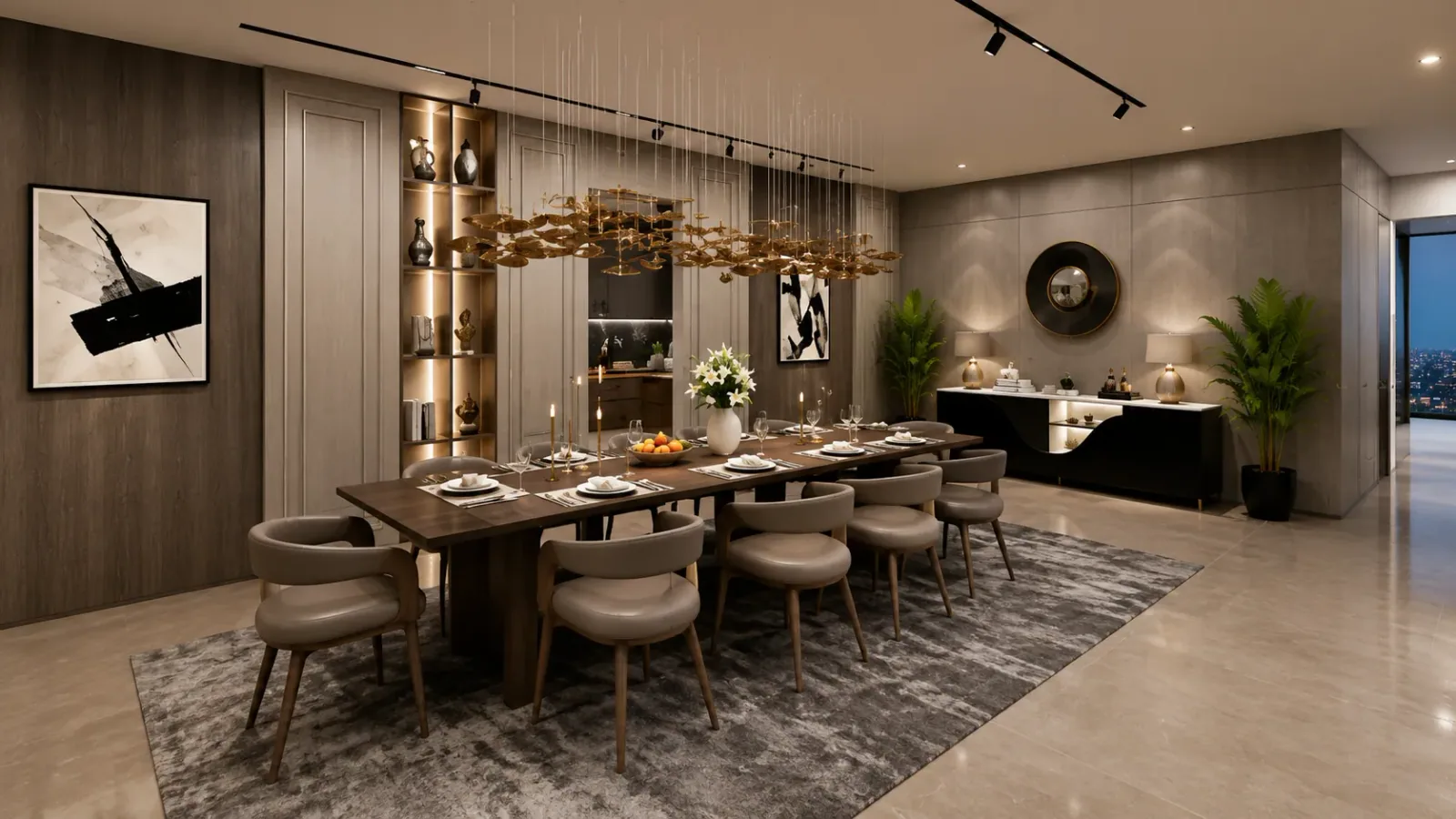
In most family homes, yes. Doors let the bar disappear into the room when not in use, keep dust off the glasses, and keep bottles out of children's reach. Bi-fold or pocket doors open fully without blocking the counter.
Can a Bar Be Combined With a Crockery Unit?
Naturally. Glasses, serving ware and bottles share one wall: crockery on one side, bar on the other, a common counter in between. Our guide to crockery unit design covers the crockery side.
What Should Be Decided Before Building a Bar Unit?
- Location, away from heat and direct sun
- Number and height of bottles
- Glass storage and how many
- Counter and its surface
- Doors, and whether they lock
- Lighting and power point
Gunmala Interiors builds bar units as part of the dining and living woodwork. If you have an existing bar unit to update, see bar unit renovation.
Frequently Asked Questions
Where should a home bar unit go?
In the dining area or a living room corner where you entertain, ideally beside the crockery unit, away from the hob and direct sun.
What storage does a bar unit need?
A tall section for bottles, a horizontal rack for wine, glass-fronted shelves or rails for glasses, a shallow drawer for accessories, and a lower cabinet for mixers.
Does a bar unit need a counter?
A small waist-height counter makes pouring easier and keeps spills off the floor. Stone, quartz or laminate tops resist spills best.
Should a home bar have doors?
In most family homes, yes, to hide it when not in use, keep dust off glasses and keep bottles away from children. Lockable doors are worth considering.
How should a bar unit be lit?
With backlit shelves or an under-cabinet strip in warm white, with the power point planned inside the unit.
Can a bar and crockery unit be combined?
Yes. Crockery on one side, bar on the other and a shared counter works well on a single dining wall.
Which counter material suits a bar?
Quartz, stone or laminate. Veneer and marble can stain and etch from alcohol and citrus.
How should wine be stored in a bar unit?
Horizontally, away from heat and light.
Key Takeaways
- A home bar is usually one unit in the dining or living area.
- Measure tall bottles before spacing shelves.
- Use a spill-resistant counter surface.
- Backlit shelves make glassware a feature.
- Doors keep the bar tidy and away from children.
See our guide to crockery unit design, or book a site visit.