Texture paint does something flat paint cannot: it makes a wall catch light, so the surface itself becomes the feature. Used on one wall, in the right light, it adds depth without adding anything to the room. Used everywhere, or on the wrong wall, it collects dust, shows every repair and is hard to undo. Most of the decision is about where, not which.
What Is Texture Paint?
Any wall finish that adds visible surface pattern or depth rather than a flat colour. It ranges from subtle, chalky finishes that read almost flat from across the room, to heavy raised patterns you can feel with your hand.
| Type | What it looks like | Character |
|---|---|---|
| Limewash or mineral finish | Soft, cloudy variation in tone, matt | Subtle and calm; ages gently |
| Microcement-style or plaster effect | Smooth with a stone or concrete feel | Modern and minimal |
| Metallic or pearl effect | Shimmer that changes with the light | Strong; best kept to small areas |
| Raised patterns | Combed, stippled or sand-textured relief | Bold, dates fastest, hardest to clean |
The subtle end of the range is what most current interiors use. It adds depth without turning the wall into a pattern you have to live with every day.
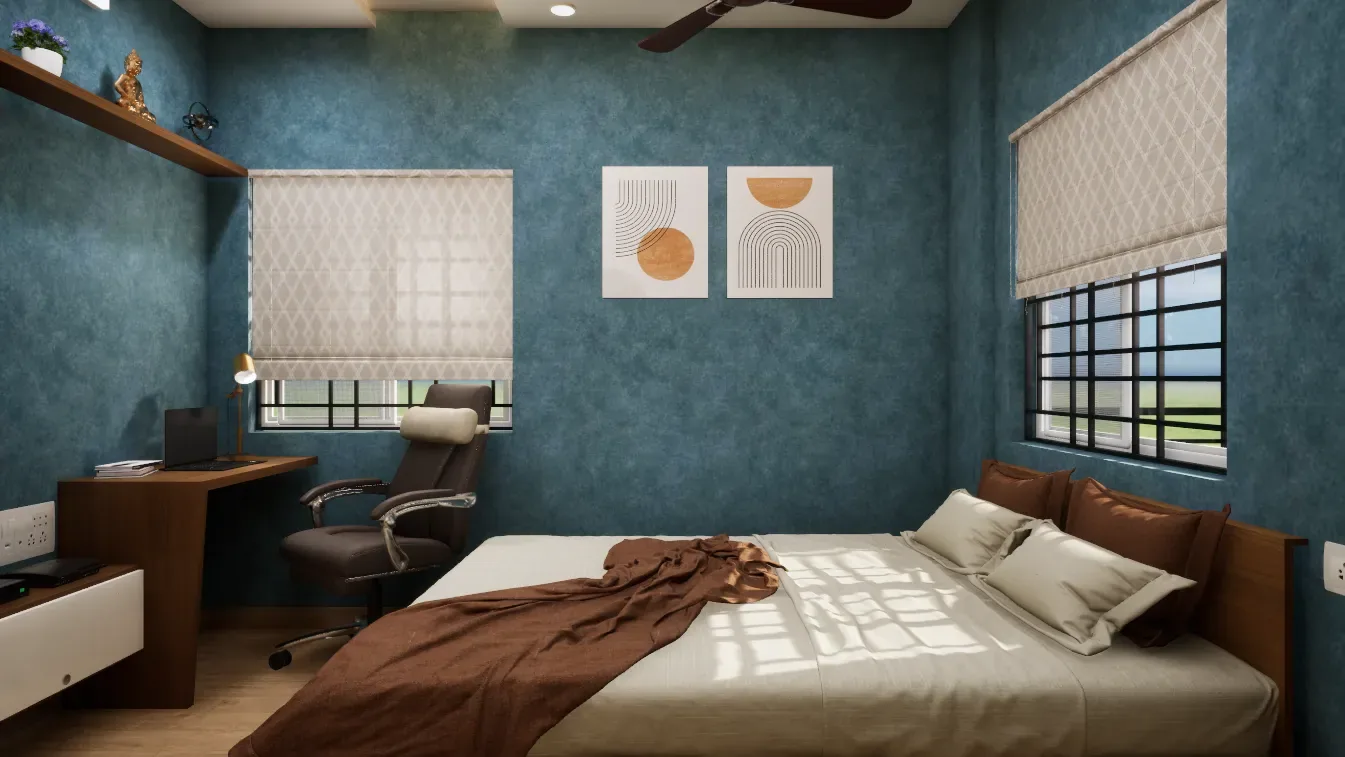
Which Walls Suit Texture Paint?
Walls that light passes across, and walls that are looked at more than touched.
- The headboard wall in a bedroom, especially with a wall light or cove washing over it
- The TV or sofa wall in a living room, as the single feature
- A foyer wall that greets you as you enter
- A dining wall or niche, where light from a pendant falls across it
Texture shows best when light hits it at a low angle, from a wall washer, cove or side window. Under a flat downlight shining straight at it, much of the texture disappears.
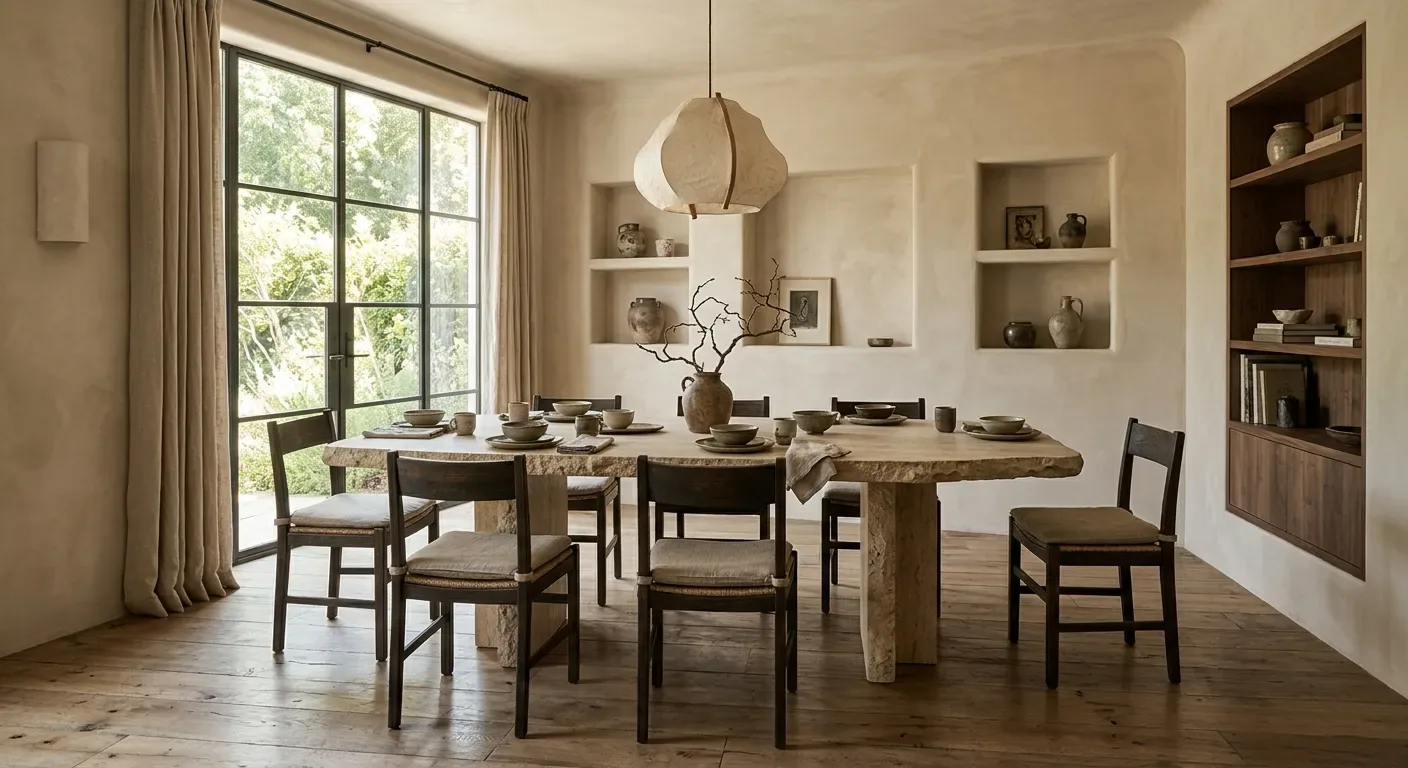
Where Should Texture Paint Be Avoided?
- High-touch walls: corridors, around switch boards, behind the dining chairs. Raised textures hold dirt and are hard to wipe
- Kitchens: grease settles into texture and cannot be cleaned out
- Walls with any damp: texture over damp will bubble and flake, and it hides the warning signs until the damage is larger
- Every wall in a small room: it becomes busy and the room feels smaller
- Behind woodwork: a wardrobe or TV panel fixed against a raised texture leaves gaps and wastes the finish
How Does Texture Paint Cope With Bengaluru's Humidity?
On a dry, sound wall, the subtle mineral and limewash-style finishes generally breathe well and cope with humid months. Heavier textures with deep relief give moisture and dust more surface to settle on.
The real risk is not humidity in the air but moisture in the wall. Outside walls that take rain in the monsoon, and walls shared with a bathroom, can carry damp that no paint will hold back. Check these walls before choosing any feature finish, and deal with the source first. Damp proofing and waterproofing are civil work that has to come before any painting, and they are outside what Gunmala Interiors does; we will tell you if a wall needs them before we quote.
How Do You Clean and Repair a Textured Wall?
Gently, and less easily than flat paint. Dust settles on raised textures and is best removed with a soft brush or a vacuum brush attachment. Wiping with a wet cloth can mark some mineral finishes.
Touch-ups are the bigger issue. A scuff on flat paint can be painted over and disappear. On a textured finish, a patch almost always shows, because the pattern of the original was made by hand and cannot be matched exactly. A damaged area often means redoing the whole wall, which is another reason to keep texture to walls that do not get knocked.
Ask for a small sealed sample of the finish to keep after the work is done, along with the product name and shade, so a later repair starts from the right material.
Will Texture Paint Look Dated in a Few Years?
Heavy raised patterns tend to date. Subtle mineral and plaster-like finishes tend to age better, because they read as a material rather than a decoration, much as stone or plaster does.
A useful test: does the finish look like a pattern, or like a surface? A surface usually stays acceptable longer. If you are unsure, use texture on one wall only. One feature wall is easy to change later; a whole flat is not.

How Hard Is Texture Paint to Remove?
Harder than flat paint. Subtle finishes can often be sanded lightly, primed and painted over. Heavy raised textures usually need to be scraped or skimmed with putty to get a flat wall again, which is a larger job with more dust.
That is worth weighing in a flat you may sell or rent out. A neutral flat wall suits more buyers and tenants than a strong textured feature.
What Should You Check Before Choosing Texture Paint?
- The wall is dry and sound, with no damp patches or loose plaster
- Light falls across the wall from the side, a cove or a wall light
- The wall is looked at more than touched
- No woodwork will be fixed against it
- You have seen a large sample on your own wall, not only a brochure board
- You know how it will be cleaned and how a repair would be made
On a turnkey fit-out, Gunmala Interiors plans feature finishes together with the lighting, so the wall washer or cove that brings out the texture is in the drawings from the start. See our guide to wall colour combinations for choosing the colours around it.
Frequently Asked Questions
What is texture paint?
Any wall finish that adds visible surface pattern or depth instead of a flat colour. It ranges from subtle limewash and mineral finishes to metallic effects and heavy raised patterns.
Where should texture paint be used?
On one feature wall that is looked at more than touched and that light passes across: a headboard wall, TV or sofa wall, foyer wall or dining niche. Texture shows best under light from the side, a cove or a wall washer.
Where should texture paint be avoided?
In kitchens, on high-touch walls like corridors and around switch boards, on walls with any damp, behind woodwork, and on every wall of a small room.
Is texture paint suitable for Bangalore's climate?
Subtle mineral and limewash-style finishes generally cope well on a dry, sound wall. The real risk is damp inside the wall, especially on outside walls and walls shared with bathrooms. That has to be fixed before any paint is applied.
Can texture paint be cleaned?
Gently, with a soft brush or a vacuum brush attachment. Wet wiping can mark some finishes, and raised textures trap dirt, which is why texture is best kept away from high-touch areas.
Can you touch up texture paint?
Not invisibly in most cases. The original texture was made by hand and a patch rarely matches. A damaged area often means redoing the whole wall, so keep the product name, shade and a small sample.
Does texture paint go out of style?
Heavy raised patterns tend to date. Subtle finishes that read like plaster or stone tend to age better. Using texture on one wall keeps it easy to change later.
How do you remove texture paint?
Subtle finishes can often be sanded, primed and painted over. Heavy raised textures usually need scraping or skimming with putty, which is a larger and dustier job.
Key Takeaways
- Texture paint works as one feature wall, not a whole-flat finish.
- Light from the side brings texture out; flat downlights hide it.
- Keep it off kitchens, high-touch walls and anything with damp.
- Subtle mineral finishes age better than raised patterns.
- Repairs rarely match; keep the product name and a sample.
- Fix damp before any paint goes on. Texture will not hide it for long.
See our guide to wall colour combinations, or book a site visit to plan finishes with your lighting.